Hurricane and Storm-Resistant Windows for Long Island’s Coastal Homes
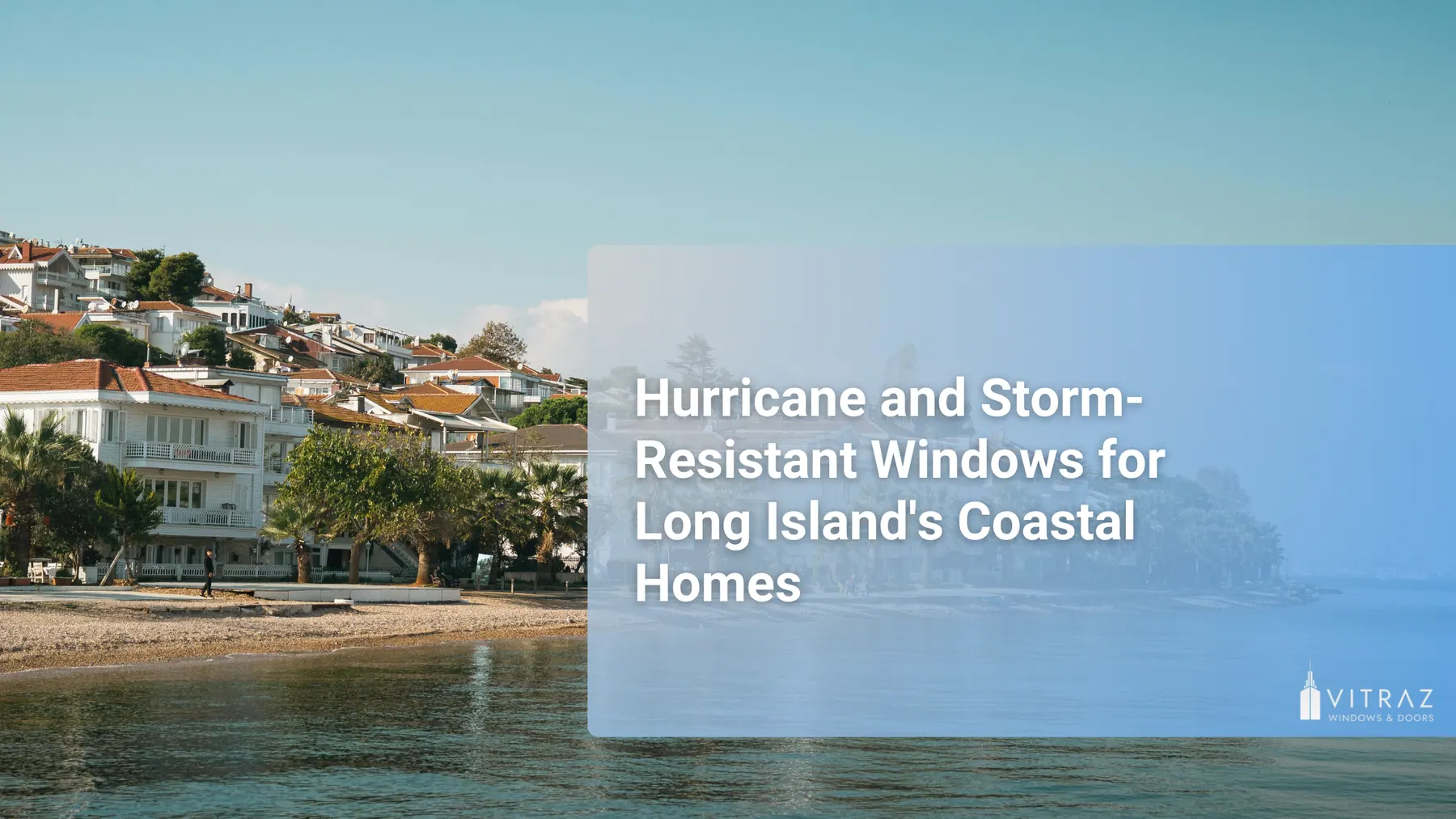
Living near the water on Long Island comes with undeniable rewards and one serious responsibility. Coastal homes face the full force of nature, from nor’easters and high winds to the threat of hurricanes that track up the Eastern Seaboard. When a major storm hits, the windows and doors are often the first line of defense, and when they fail, the consequences for the rest of the home can be severe.
At Vitraz Windows and Doors, we fabricate high-performance European aluminum systems engineered to stand up to the demanding conditions of coastal Long Island. For homeowners in Nassau, Suffolk, the South Shore, and the Hamptons, choosing storm-resistant windows is not a luxury but a smart investment in safety, durability, and peace of mind. Here is what makes a window truly storm-ready and why it matters so much in this region.
This guide explains in practical terms how storm-resistant windows protect a home, what features actually matter, why aluminum is so well suited to coastal conditions, and what Long Island homeowners should think about when upgrading. It is written for people who live with the reality of Atlantic weather and want to make a smart, lasting decision about protecting their property.
Why Coastal Homes Need Stronger Aluminum Windows
A storm threatens a home in two main ways. The first is wind pressure, which pushes and pulls on the building with tremendous force, stressing windows, doors, and the structure around them. The second is flying debris, where high winds turn branches, gravel, and loose objects into projectiles that can shatter ordinary glass in an instant.
Once a window breaks during a storm, the danger escalates quickly. Wind and rain pour into the home, internal pressure spikes, and that pressure can lift roofs and blow out walls from the inside. In other words, a single broken window can lead to catastrophic damage to the entire structure. Storm-resistant windows are designed to prevent that chain reaction by staying intact when conditions are at their worst.
On Long Island, the combination of exposure to Atlantic storms and dense, valuable coastal property makes this protection especially important. The right windows protect not just the glass but everything and everyone inside.
What Makes an Aluminum Window Storm-Resistant
A storm-resistant window is an engineered system where every component is built to perform under extreme conditions. The most important elements work together:
• Laminated impact glass, made of two panes bonded to a tough interlayer, so that even if the glass cracks it holds together rather than shattering into the room.
• Strong, rigid frames that resist the bending and flexing caused by intense wind pressure.
• Heavy-duty hardware and multi-point locking that keeps the window sealed and anchored under load.
• Robust connections between the frame and the building structure, so the whole assembly stays put.
The goal is a window that maintains the integrity of the building envelope throughout a storm. Even when struck by debris, impact-rated glass is designed to remain in the frame, keeping wind and water out and preventing the dangerous pressure changes that cause structural failure.
Why Aluminum Is the Right Material
Frame material matters enormously in a coastal environment, and aluminum offers a powerful combination of strength and durability. It is rigid enough to handle high wind loads without flexing, which keeps the glazing secure and the seals intact when pressure builds.
Aluminum also resists the corrosion that salt air relentlessly inflicts on metal near the coast. Properly finished aluminum frames stand up to the marine environment far better than untreated materials, holding their strength and appearance for decades. They will not rot or swell with humidity the way timber can, and they require very little maintenance, which matters for a home that faces salt, sun, and storms year after year.
Vitraz fabricates its systems from European aluminum profiles engineered for both performance and longevity, giving coastal homeowners a frame built for the conditions they actually face.
Protection Beyond the Storm Season
The same features that make a window storm-resistant deliver benefits all year. Laminated impact glass is also excellent at blocking sound, so homes near busy roads or the shoreline enjoy a quieter interior. That heavy glass and the tight seals around it improve energy efficiency too, reducing drafts and helping maintain comfortable temperatures through hot summers and cold winters.
Security is another year-round advantage. The same laminated glass and reinforced frames that resist storm debris also resist break-in attempts, since the glass is extremely difficult to smash through and the locking hardware is robust. A storm-resistant window is, in effect, a more secure window every day of the year, not just during a hurricane warning.
Insurance and Long-Term Value
Beyond physical protection, storm-resistant windows can carry financial advantages. Many insurers recognize impact-rated windows and doors as a meaningful reduction in risk, which can translate into more favorable coverage terms for a coastal home. It is always worth confirming details directly with your insurer, but the underlying logic is straightforward, since a home better protected against storm damage represents a lower risk.
There is also resale value to consider. Coastal buyers on Long Island understand the importance of storm protection, and a home already fitted with quality impact-resistant windows is more attractive and commands more confidence. It is an upgrade that protects the home today and supports its value tomorrow.
Designed to Look Good, Not Just Perform
Storm protection used to mean bulky shutters or heavy, industrial-looking windows. That is no longer the case. Modern impact-rated systems combine serious performance with the clean, slim aesthetic that defines European aluminum design.
Because Vitraz fabricates each unit to order, storm-resistant windows can be configured to suit the architecture of the home, from a contemporary beach house to a classic shingled residence. You can have large glazed openings that capture water views and flood rooms with light while still meeting demanding performance requirements. Protection and beauty are no longer mutually exclusive.
Understanding Wind Pressure and Debris Impact
To choose the right windows, it helps to understand the two distinct forces a storm brings. The first is wind pressure. As powerful winds hit a building, they create positive pressure on the windward side and negative pressure, or suction, on other sides. This pushing and pulling stresses windows and the structure around them, and ordinary windows can be forced from their frames or have their seals broken under sustained pressure.
The second force is impact from flying debris. In a severe storm, the air carries branches, gravel, roofing fragments, and other objects at high speed, and these projectiles can shatter standard glass instantly. Once the glass is gone, wind and rain rush in and internal pressure builds, which is the dangerous scenario that can lead to structural failure.
Storm-resistant windows are engineered to resist both forces. Strong frames and secure anchoring handle the wind pressure, while impact-rated laminated glass withstands debris strikes and stays intact even when cracked. Addressing both is what makes a window genuinely storm-ready rather than merely sturdy.
How Laminated Impact Glass Works
The defining feature of a storm-resistant window is its impact-rated glass, and understanding how it works builds confidence in it. Laminated impact glass is made of two panes of glass permanently bonded to a tough, flexible interlayer in the middle. When an object strikes the glass, the outer pane may crack, but the interlayer holds everything together so the glass does not break open and fall away.
This is fundamentally different from ordinary glass, which shatters into pieces and leaves the opening exposed. With laminated impact glass, even after a strike the barrier remains in place, keeping wind and water out and maintaining the integrity of the building envelope. The interlayer essentially acts like a safety net woven into the glass itself.
This same technology is what makes laminated glass so effective for security and sound control, which is why storm-resistant windows deliver benefits well beyond the few days a year a major storm threatens. You are buying a tougher, quieter, more secure window for everyday life, with extreme-weather protection built in.
The Importance of the Whole System
Impact glass alone does not make a storm-resistant window. The glass has to be held by a frame strong enough to stay intact under wind pressure, and that frame has to be anchored securely to the building structure. A storm-resistant window is a complete system in which every component is rated to work together, and a weakness in any part undermines the whole.
This is why proper fabrication and installation are so important for coastal homes. The frame must be robust, the glazing must be correctly set, the hardware and locking must keep the window sealed under load, and the connection to the structure must be solid. When all of these elements are engineered and installed correctly, the window can perform as intended when it matters most.
Vitraz fabricates its systems from strong European aluminum profiles and builds each unit to order, which supports the precise tolerances and robust construction that storm resistance demands. Working with a local fabricator also means the installation can be coordinated properly, so the whole system performs as a unit.
Energy and Comfort Benefits All Year
Coastal homeowners sometimes view storm-resistant windows purely as insurance against the worst-case scenario, but the everyday benefits are substantial. The heavy laminated glass and the tight, well-sealed frames significantly improve energy efficiency, reducing drafts and helping maintain comfortable indoor temperatures through hot, humid summers and cold winters alike. Lower energy bills are a year-round dividend.
Sound insulation is another constant benefit. The same laminated glass that resists debris also dampens noise effectively, which is welcome for homes near busy roads, the shoreline, or other sources of noise. The result is a calmer, quieter interior every day, not just during a storm.
When you account for these ongoing benefits, the value proposition of storm-resistant windows changes. You are not paying solely for protection on a handful of stormy days, you are getting a better window in every respect for the entire life of the product.
Planning a Storm-Resistant Upgrade
Upgrading to storm-resistant windows is most effective when approached thoughtfully. Start with the most exposed and vulnerable openings, typically those facing the prevailing storm winds and the water, and prioritize large openings that would be especially dangerous if breached. A fabricator can help you assess which windows matter most for your specific home and exposure.
Consider the design as well, since modern impact-rated systems no longer mean bulky, institutional-looking windows. With European aluminum systems, you can have large, light-filled openings that capture water views while still meeting demanding performance requirements, finished in colors that suit your home. Protection and aesthetics work together rather than against each other.
The best first step is a conversation with a local fabricator who understands coastal conditions and can evaluate your property. If your Long Island home faces the Atlantic, planning your storm protection before the next major weather event is far wiser than scrambling when a warning is issued.
Insurance, Value, and Peace of Mind
Beyond the physical protection they provide, storm-resistant windows carry financial and emotional benefits that coastal homeowners value highly. On the financial side, many insurers recognize impact-rated windows and doors as a meaningful reduction in risk, which can translate into more favorable coverage terms for a home in a storm-prone area. It is always worth confirming the specifics directly with your insurer, since policies vary, but the underlying logic is sound, as a better-protected home represents a lower risk.
Resale value is another consideration. Buyers along the Long Island coast understand the importance of storm protection, and a home already fitted with quality impact-resistant windows is more attractive and inspires more confidence than one that will require the upgrade. It is the kind of improvement that protects the home today and supports its market value tomorrow, appealing directly to the priorities of coastal buyers.
Perhaps most important is the peace of mind. When a storm is forecast and a warning is issued, there is real comfort in knowing your home’s most vulnerable points are engineered to hold. Instead of scrambling with plywood and tape, you can trust that your windows are built to keep the wind and water out and the structure intact. For families who live with the reality of Atlantic weather, that confidence is worth a great deal, and it is one of the most compelling reasons to invest in storm-resistant windows before the next major event arrives.
Protect Your Coastal Home With Vitraz
When a storm is bearing down, the quality of your windows is not something you want to second-guess. Investing in properly engineered, storm-resistant windows and doors is one of the most effective ways to protect a coastal Long Island home, its contents, and the people inside.
As a local fabricator, Vitraz builds these systems precisely and works directly with homeowners and contractors across Long Island and the tri-state area. Local fabrication means accurate measurements, faster turnaround than importing, and direct communication throughout your project.
If your home is on or near the Long Island coast, now is the time to evaluate your windows before the next major storm. Call Vitraz Windows and Doors at 917-418-0816 for a free quote and a conversation about the right storm-resistant solution for your property.